Havering council rules for upholstery cleaning and waste: what residents and landlords should know
If you are dealing with a sofa, armchair, dining chair, or mattress cover that needs cleaning, the rules around waste can get confusing fast. One minute you are thinking about stain removal, the next you are wondering whether a damp cushion, a ripped fabric panel, or a bag of contaminated material counts as waste at all. That is exactly why Havering council rules for upholstery cleaning and waste matter. They affect how you clean, what you can throw away, and how to avoid turning a simple refresh into a disposal headache.
In this guide, we will unpack the practical side of cleaning upholstered furniture in Havering, explain the usual waste-handling expectations, and show you how to stay tidy, safe, and sensible. No fluff. Just the kind of guidance that helps on a Saturday morning when the living room is upside down and the bin is already full.
Why Havering council rules for upholstery cleaning and waste matters
Let's face it: upholstery looks simple until you have to deal with what comes off it. Loose dirt, pet hair, grime, cleaning water, removed fabric, and old cushions can all create different disposal questions. Havering council rules for upholstery cleaning and waste matter because they sit right at the point where cleanliness, waste responsibility, and household convenience overlap.
For most homes, the biggest issue is not the cleaning itself. It is what happens afterwards. A deep-cleaned sofa can leave behind used cloths, disposable pads, vacuum contents, or packaging from cleaning products. If you are removing old furniture, you also have to think about bulky waste. And if an item has been heavily contaminated by mould, pests, or pet mess, you may need to be a bit more careful about how you handle it.
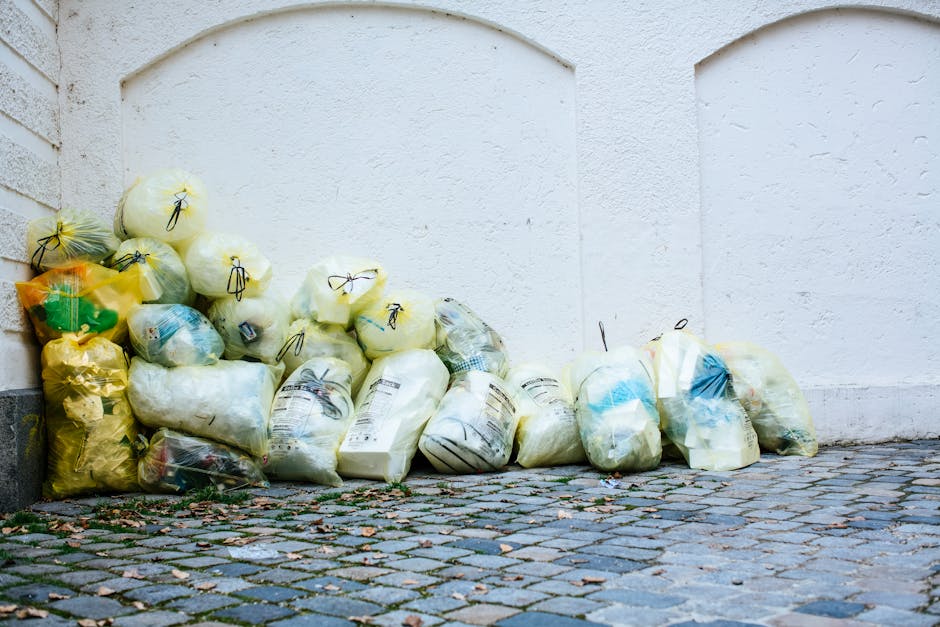
There is also the neighbourly side of things. In a terraced street or flat block, nobody wants waste bags left in the communal area, wet items dripping in a hallway, or a skipped collection because the wrong item went in the wrong bin. Small mistake, annoying consequences. That is usually how it goes.
To stay on the right side of things, it helps to separate the topic into three parts:
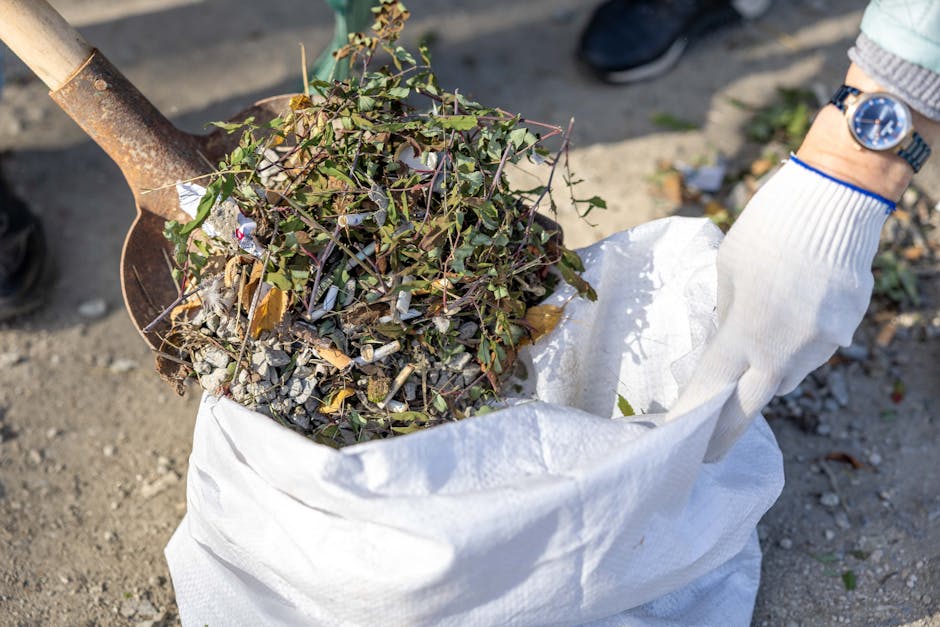
- cleaning waste such as wipes, cloths, filters, and vacuum contents
- dirty or damaged soft furnishings that need disposal
- liquid waste or leftover cleaning solution that should not be tipped carelessly down a drain without checking suitability
That distinction sounds basic, but it saves a lot of trouble. It also helps when you are using a professional service such as upholstery cleaning, because the cleaner can focus on the fabric while you stay clear on disposal and aftercare.
How Havering council rules for upholstery cleaning and waste works
The easiest way to think about this is: the council is mainly concerned with whether waste is presented, stored, separated, and disposed of properly. For upholstery cleaning, that usually means following ordinary household waste rules, bulky waste guidance, and sensible environmental practice. It is less about a special "upholstery law" and more about how different materials are handled.
In practical terms, the process usually looks like this:
- Decide whether the item is being cleaned, repaired, or removed. A sofa being cleaned stays in use. A sofa with collapsed springs and damaged webbing may be a disposal case.
- Separate reusable material from waste. Covers, scatter cushions, and removable throws may be laundered separately. Torn padding, broken plastic feet, or saturated cleaning cloths may need to go out as waste.
- Check how bulky items are collected or taken away. A full three-seat sofa is not the same as a bag of dust from vacuuming. The disposal route is different.
- Keep waste contained. Nobody wants dripping cushions, loose staples, or dust clouds on the way to the bin area.
- Use the correct bin, collection method, or reuse route. If an item can be reused, donated, or repaired, that is usually preferable to sending it straight for disposal.
For homes in Havering, the real-world challenge is often space. A cleaning day can quickly create clutter: buckets, towels, packaging, plastic wrap, and removed items all pile up. If you are doing a major clean before guests arrive or after a pet accident, it is worth planning your waste route before you start. That sounds a bit overcautious, maybe, but it genuinely helps.
Professional services can help reduce the mess in the first place. For example, targeted stain removal can sometimes save a piece of furniture from being replaced, which means less waste overall. Likewise, careful pet stain odour removal can prevent a hard-to-clean item from becoming a throwaway item too early.
Key benefits and practical advantages
Following the right approach is not just about compliance. It makes life easier. A clean upholstery job with sensible waste handling has some very real upsides.
- Less risk of disposal mistakes. You avoid putting bulky or contaminated items in the wrong collection stream.
- Better hygiene. Dirty pads, pet hair, and damp residues are dealt with properly instead of sitting around the home.
- More efficient cleaning. If you know what is waste and what is reusable, the whole job flows better.
- Lower chance of damage. When items are handled correctly, you are less likely to tear fabric, spread stains, or track dirt through the house.
- Improved environmental sense. Reusing, repairing, and recycling where possible usually beats needless disposal.
There is also a cost angle. Replacing a sofa is expensive. Cleaning and maintaining it properly is usually the more sensible route, especially if the frame and padding are still sound. In many homes, a well-timed clean is the difference between keeping a favourite chair and watching it head to the dump far too soon.
If you are comparing services or budgeting for a larger home clean, it helps to look at pricing and quotes early rather than after the furniture is already stripped back and half the room is unusable.
Who this is for and when it makes sense
This topic matters to more people than you might think. It is not just for landlords or commercial cleaners. In fact, the most common situations are ordinary household ones.
- Homeowners who want to clean a sofa, armchair, rug, or upholstered dining chair without making a waste mess.
- Tenants who need to leave a property tidy and avoid disposal problems at the end of a tenancy.
- Landlords and letting agents who want furniture cleaned or removed with minimal disruption.
- Small businesses managing office seating, waiting-room furniture, or reception upholstery.
- Families with pets or children where spills, hair, and odours build up fast.
There are also specific moments when it makes sense to think about the council side of things a bit more carefully:
- after water damage or heavy soiling
- when a sofa or chair is beyond saving
- before moving house
- after a long winter of closed windows and stale odours
- when you are clearing a room for redecorating
That last one tends to reveal a lot, doesn't it? You shift one armchair and suddenly the floor tells its story.
For commercial settings, the waste considerations can be more layered because you may have higher volumes and a stronger duty to manage them properly. If that sounds familiar, commercial carpet cleaning and related maintenance planning can help you think through the broader cleaning schedule, not just the visible dirt.
Step-by-step guidance
If you want a straightforward way to handle upholstery cleaning and waste in Havering, use this approach.
1. Identify the item
Ask a simple question: is it staying, being repaired, or being thrown away? That one decision shapes everything else. A removable cushion cover can often be washed. A broken frame cannot. Easy to say, but easy to blur when you are tired and halfway through a declutter.
2. Check the fabric type and condition
Leather, synthetic fabric, wool blends, and delicate weaves all behave differently. Some upholstery can take steam cleaning. Some needs a gentler method. If the fabric is already weakened, it is worth reducing moisture and mechanical scrubbing.
3. Remove loose waste first
Vacuum crumbs, hair, dust, and debris before applying any cleaner. This keeps waste out of the fabric and reduces the amount of sludge you create later. A quick pre-vacuum can make a huge difference.
4. Separate cleaning waste from general household waste
Used cloths, disposable pads, gloves, and packaging should be contained. If they are wet or contaminated, bag them securely. If they are dry and non-hazardous, they may go with ordinary rubbish, but always use common sense and local collection rules.
5. Handle bulky disposal properly
If the item is too damaged to keep, plan its removal rather than dragging it to the kerb in a panic. Bulky items should be handled in the way the council expects, not left out as a hopeful guess. Hope is not a disposal strategy.
6. Dry the item fully if it is staying in use
Moisture left in upholstery can lead to odour, re-soiling, or mould. Open windows if weather allows, use airflow, and do not sit on the furniture too soon. You know that slightly damp smell? That is your cue to wait a bit longer.
7. Review what can be reused or recycled
Some furniture elements may be reusable even if the item itself is not. Removable covers, intact cushions, and certain components can sometimes be separated. If you can reduce waste, do it.
Expert tips for better results
Here is the part that usually separates a neat job from a messy one.
- Work from dry to wet. Always remove dry debris first. Once dirt turns muddy, the job gets harder fast.
- Test a small hidden patch. This is especially important on older fabric and mixed materials.
- Use the least aggressive method that works. Strong scrubbing can damage fibres and create more waste by ruining a perfectly salvageable item.
- Plan your drying space before you start. A clean sofa in a cramped hallway is still a problem if it cannot dry properly.
- Protect the route to the bin or collection point. A sheet, towel, or simple clear path can save floors and stairs from drips and grit.
In our experience, the best results come from being slightly boring at the start. Prep the room. Bag the rubbish. Keep one dry towel nearby. It is not glamorous, but it works.
If your upholstery is badly marked, using proper sofa cleaning or rug cleaning support can be far more cost-effective than replacing the item outright. And if the issue is more widespread across the home, a broader clean through carpet cleaning or steam carpet cleaning may help you reset the whole space, not just one corner of it.
Common mistakes to avoid
These are the ones that cause the most frustration.
- Treating all waste as the same. Wet cloths, broken furniture, and packaging do not belong in the same mental bucket.
- Over-wetting upholstery. Too much moisture can create a bigger problem than the original stain.
- Skipping the drying stage. Furniture that feels "almost dry" is often not dry enough.
- Leaving bulky waste by the kerb without checking collection rules. This can create a nuisance and may lead to missed collection.
- Using too much product. More cleaner does not mean better cleaner. Usually the opposite.
- Forgetting odour sources. Stains and smells often live in the padding, not just the visible fabric.
A very common one is people assuming a sofa is a total loss because the surface looks grim. Sometimes it is. But sometimes a targeted clean and proper odour treatment are enough to save it. That is where a measured approach wins.
Tools, resources and recommendations
You do not need a van full of kit to manage upholstery cleaning well. A modest, sensible setup is usually enough.
| Item | Why it helps | Best used for |
|---|---|---|
| Vacuum with upholstery attachment | Lifts dry dirt before cleaning | Loose debris, crumbs, pet hair |
| Microfibre cloths | Absorbent and reusable | Spot cleaning and wiping residue |
| Bucket or spray bottle | Helps control moisture | Gentle cleaning and rinse stages |
| Disposable gloves | Protects hands during dirty jobs | Pet mess, old stains, waste handling |
| Bin bags | Keeps cleaning waste contained | Cloths, packaging, loose debris |
| Dehumidifier or strong airflow | Speeds drying | After wet cleaning |
For households where waste and cleanliness are both a concern, pairing upholstery care with recycling and sustainability thinking is a smart move. Reusable cloths, careful product use, and sensible disposal all add up. Nothing flashy. Just better habits.
If you are booking a cleaner, it is also worth checking health and safety policy, insurance and safety, and terms and conditions so you know what to expect if something is fragile, heavily soiled, or difficult to move.
Law, compliance, standards, or best practice
This topic sits within everyday household waste practice, but there are still sensible compliance points to keep in mind. In the UK, you are generally expected to dispose of waste responsibly, avoid fly-tipping, and separate items appropriately where required. If you are a landlord, managing agent, or business owner, the expectations become more formal because you may be dealing with larger volumes, repeated clear-outs, or mixed waste streams.
Best practice is usually the safest way to think about it:
- Do not abandon bulky furniture in communal spaces.
- Keep dirty waste contained.
- Avoid pouring cleaning chemicals where they are not suitable.
- Follow local collection arrangements for large items.
- Use reputable services for difficult cleaning or removal jobs.
If there is contamination from pests, mould, or bodily fluids, extra care is sensible. That does not always mean specialist hazardous waste, but it may mean more careful handling, better sealing, and a lower threshold for professional support. Truth be told, if you are unsure, it is better to pause and check than to guess.
For households that want confidence in the service side as well as the cleaning outcome, pages like payment and security, privacy policy, and about us can help you understand how a provider operates and what standards they are working to.
Options, methods, or comparison table
Different situations call for different approaches. Here is a simple comparison to help you choose the right route.
| Option | Best for | Pros | Watch out for |
|---|---|---|---|
| DIY spot cleaning | Small stains, light soiling | Quick, low-cost, convenient | Can spread stains if overdone |
| Full upholstery cleaning | Everyday wear, odours, general refresh | Better finish, often extends furniture life | Drying time, fabric sensitivity |
| Replacement and disposal | Broken frames, severe damage, irreparable items | Clear outcome, no ongoing repair worries | Bulky waste handling, higher cost |
| Professional stain and odour treatment | Pet accidents, persistent smells, deep marks | More thorough, less guesswork | May not save severely damaged furniture |
If you are on the fence, ask yourself: is this a cleaning issue or a disposal issue? Sometimes the honest answer is both. A chair might be worth cleaning today and replacing next year. That is perfectly normal.
Case study or real-world example
A typical Havering household scenario goes like this. A family has a two-seater sofa in the lounge, a dining chair with a drink stain, and a spare armchair that has picked up pet odour near the window. The sofa is structurally fine, the dining chair is salvageable, and the armchair is not quite ready for the bin, but it is close.
First, the family separates the items. The sofa and chair are kept for treatment. Loose dust, wrappers, and old cloths go into bagged waste. The armchair is inspected more closely. The cover can be cleaned, but the padding has taken in too much smell and moisture over time. Instead of treating all three pieces the same, they make three decisions: clean, clean, and dispose.
That is the key. Not every upholstered item has the same answer. One piece may benefit from a targeted clean, another from odour treatment, and another from removal as bulky waste. Once those decisions are made clearly, the rest gets much easier.
It also saves money. The sofa survives. The dining chair improves. Only the armchair goes out. That is a decent outcome, to be fair.
Practical checklist
Use this checklist before and after you clean upholstery or remove waste.
- Identify whether the item will be cleaned, repaired, or disposed of.
- Check whether the fabric is suitable for water, steam, or gentle cleaning.
- Vacuum loose dirt and debris first.
- Bag cloths, pads, packaging, and other cleaning waste securely.
- Keep wet materials away from floors, stairs, and communal areas.
- Allow enough drying time before use.
- Separate reusable items from genuine waste.
- Check bulky item disposal arrangements if the furniture is being removed.
- Use careful odour or stain treatment where needed.
- Review your cleaner's policies if you are using a professional service.
Key takeaway: the smartest approach is usually to clean what can be saved, contain what must be thrown away, and avoid mixing the two.
Conclusion
Havering council rules for upholstery cleaning and waste are really about good judgment. Clean carefully, dispose properly, and do not treat bulky furniture like ordinary rubbish. Once you separate those steps, the whole process becomes much more manageable.
Most people do not need a complicated system. They just need a clear plan, a few practical habits, and the confidence to know when an item is worth saving. And honestly, that confidence makes the room feel better too. Cleaner air. Less clutter. Less guessing.
If you want expert help with the cleaning side while keeping waste handling tidy and straightforward, it pays to work with a service that understands the job from end to end.
Get a free quote today and see how much you can save.
Sometimes the best household progress is quiet: one sofa rescued, one bag of waste sorted, and one less thing hanging over your head.
Frequently Asked Questions
Can I put old upholstery in the normal bin in Havering?
Usually not if it is a full sofa, armchair, or other bulky item. Smaller contaminated waste from cleaning may go in household rubbish if it is properly bagged, but large furniture normally needs a specific disposal route.
What counts as upholstery cleaning waste?
Typical cleaning waste includes used cloths, disposable pads, vacuum contents, packaging, gloves, and any debris removed from the fabric. If the item is being discarded, the furniture itself becomes bulky waste.
Can a cleaned sofa still count as waste?
No, not if it is being kept in use. Once cleaned and dried properly, it remains a usable item. It only becomes waste if you decide to throw it away or it is beyond repair.
What should I do with a heavily stained or smelly chair?
Start by checking whether the fabric and padding are still salvageable. A targeted treatment may help, especially if the smell is localised. If the frame or filling is badly damaged, disposal may be the better option.
Is steam cleaning safe for all upholstery?
No. Some fabrics handle steam well, while others can shrink, mark, or hold moisture too long. Always check the material first and use a gentler method where needed.
Do I need to separate pet hair and cleaning cloths from other rubbish?
It is wise to bag them separately if they are dirty or damp. That keeps the rest of your household waste cleaner and helps avoid odour spreading in the bin area.
What if my upholstery has mould or damp damage?
Be cautious. Mould and damp can change both the cleaning method and the disposal decision. If the damage is extensive, replacement may be more sensible than repeated cleaning.
Can I donate upholstery after cleaning it?
Sometimes, yes, if the item is in good structural condition, clean, and safe for reuse. If it is badly worn, heavily soiled, or contaminated, donation is usually not appropriate.
How do I know whether to repair or replace upholstered furniture?
Look at the frame, padding, fabric condition, and how much odour or staining remains after treatment. If the frame is solid and the fabric is the main issue, repair or cleaning often makes sense.
Are there special rules for landlords or rental properties?
Landlords and letting agents should be extra careful because waste and cleaning responsibilities can affect handovers, inspections, and tenant expectations. Keeping records and using clear disposal methods is a sensible approach.
What is the biggest mistake people make with upholstery waste?
Probably mixing everything together and hoping it will sort itself out later. It usually doesn't. Separate the waste, protect the furniture, and decide early what stays and what goes.
Where should I start if I want my upholstery cleaned properly?
Start with the fabric type, the stain or odour source, and whether the item is worth saving. If you need deeper help, begin with a proper upholstery service and then sort the waste side as part of the same plan.
For a simple next step, look at contact options if you want to ask a question first, or review the service details for upholstery cleaning before booking.