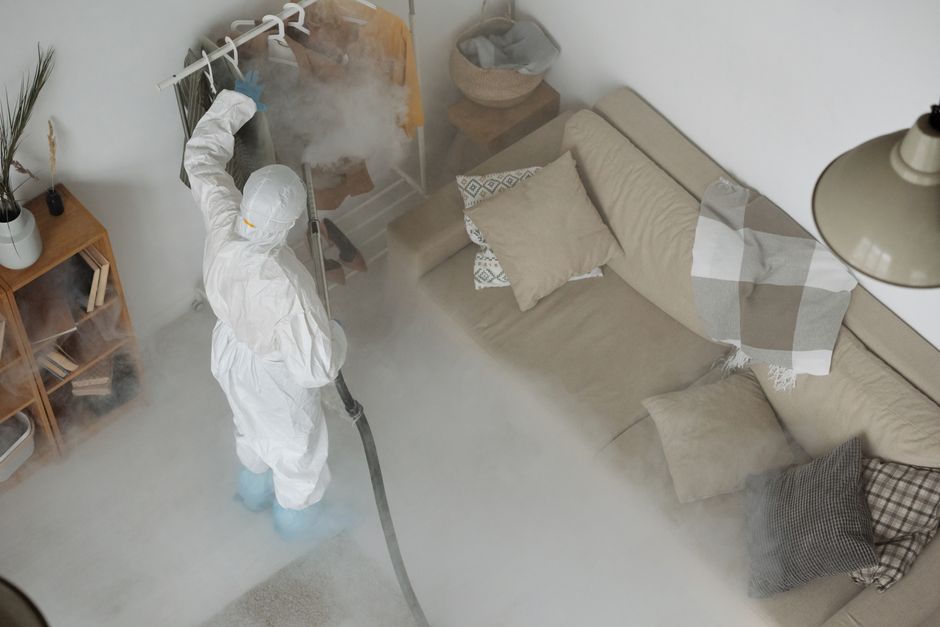
Sofa cleaning near Upminster Bridge station fast service
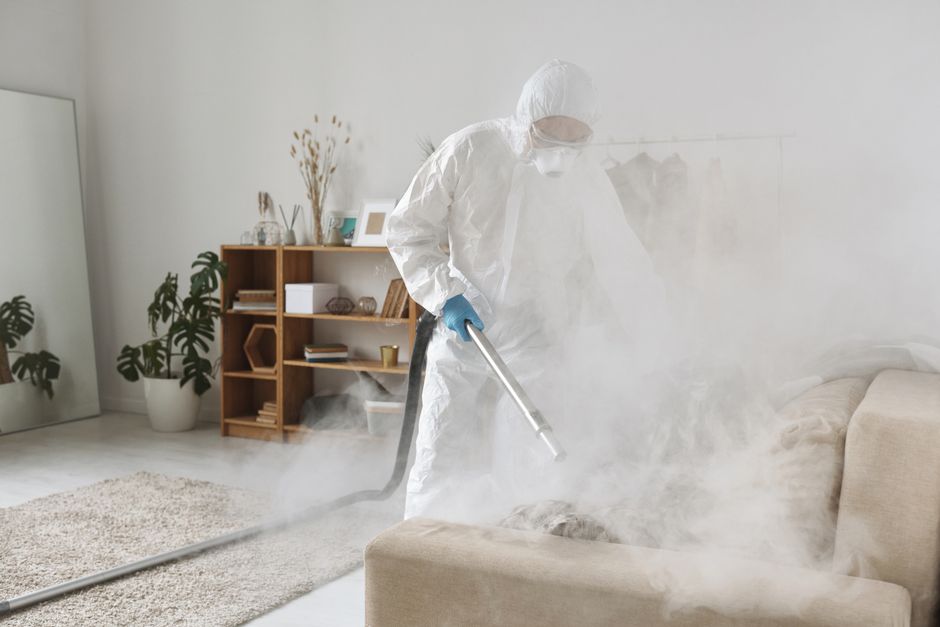
If you're searching for Sofa cleaning near Upminster Bridge station fast service, you probably want two things at once: a sofa that looks and smells fresh again, and a cleaning appointment that doesn't drag on for days. Fair enough. Life gets messy quickly - tea spills, pet odours, muddy marks after a wet commute, the usual little surprises.
This guide walks you through what fast sofa cleaning actually involves, how the process works, what to expect on the day, and how to judge whether a service is genuinely convenient or just good at sounding quick. You'll also find practical tips, a comparison of cleaning methods, a real-world example, and a checklist to help you make a sensible booking choice without faffing around.
For readers who want to compare related services, it can also help to look at broader upholstery cleaning options and the dedicated sofa cleaning service before booking.
Expert summary: Fast sofa cleaning is not just about speed. The best service near a station balances quick scheduling, careful fabric treatment, and proper drying advice so your sofa is usable again as soon as possible.
Why fast sofa cleaning near Upminster Bridge station matters
Let's face it: a sofa is one of those items you stop noticing until something goes wrong. Then every mark seems bigger than it should, every smell feels louder, and the room starts to feel less inviting. Near Upminster Bridge station, people often need a quick turnaround because schedules are tight, visitors are coming, or a home or rental property needs to be presentable again fast.
Speed matters for a few practical reasons. Fresh spills are easier to treat before they settle. Odours from food, drink, pets, or damp can embed into the fabric if left too long. And if you're preparing for guests, moving out, or trying to restore a well-used family sofa, the timing can be the difference between a minor inconvenience and a bigger problem.
A fast service should still be thoughtful. In our experience, the best results come when the cleaner moves quickly and checks the fabric type, stain history, and drying conditions before doing anything heavy-handed. That matters even more for delicate materials, older upholstery, and sofas that have been treated with unknown products in the past.
If the sofa is part of a broader refresh, many customers also choose to pair it with targeted stain removal or a wider carpet cleaning visit so the whole room feels sorted in one go. Handy, really.
Why this local service angle matters:
- Near-station bookings can fit around commuting, school runs, and work-from-home schedules.
- Fast attendance is useful for last-minute guests, tenancy handovers, and family emergencies.
- Local availability usually reduces the gap between enquiry and service day.
- A quicker visit can still be careful if the process is well organised.
How fast sofa cleaning near Upminster Bridge station works
The process is usually straightforward, but the details matter. A good service starts with an enquiry, then a brief assessment of the sofa's fabric, size, condition, and stain issues. That assessment helps determine whether steam extraction, low-moisture cleaning, spot treatment, or a gentler upholstery-safe approach is best.
Once the job is booked, the cleaner typically arrives with equipment, pre-treatment products, brushes, extraction tools, and protective items to keep surrounding floors tidy. The cleaner will inspect the sofa, test a small hidden area if needed, and identify problem spots such as grease from armrests, food marks on seat cushions, or pet odour in the base and seams.
The cleaning itself usually follows a simple logic: loosen the soil, break down stains, extract the residue, and support drying. Nothing dramatic. But each step needs to be done with care because over-wetting, over-brushing, or using the wrong chemistry can make a sofa look worse before it looks better.
Some services are quicker because they use efficient methods and well-planned workflows, not because they cut corners. That's the ideal, obviously. The sofa gets a proper clean, but your day doesn't vanish into the process.
If the upholstery needs more than a simple refresh, you may be directed toward a broader upholstery cleaning treatment or a more specialised pet stain and odour removal approach.
What usually happens on the day
- Initial inspection and fabric identification.
- Vacuuming or dry soil removal from seats, creases, and arms.
- Pre-treatment of visible stains and high-traffic areas.
- Agitation or gentle brushing where appropriate.
- Deep cleaning or extraction, depending on fabric and build.
- Spot checks, grooming, and drying guidance.
Some sofas dry faster than others, and that depends on fabric type, weather, room airflow, and how heavily the sofa was cleaned. A sunny afternoon by the station window helps a bit. A stuffy room, not so much.
Key benefits and practical advantages
The obvious benefit is a cleaner sofa. But fast service brings a few extra wins that are easy to overlook until you need them.
| Benefit | Why it matters | What you'll notice |
|---|---|---|
| Quick scheduling | Helps with busy diaries and urgent situations | You can get the job done without rearranging the whole week |
| Better stain management | Fresh spills are easier to treat promptly | Marks are less likely to become permanent |
| Improved odour control | Useful for pets, food smells, and general use | The room feels fresher and lighter |
| Longer fabric life | Regular care helps reduce built-up soil | The sofa keeps its colour and texture longer |
| More comfortable home environment | Clean upholstery changes how a room feels | You actually want to sit down, which is the point |
Speed also helps in commercial or landlord situations where a sofa has to be ready for the next tenant, guest, or meeting. If your property includes reception seating or shared lounges, there's often a bigger cleaning picture to think about, including commercial carpet cleaning for the surrounding floors.
Another practical benefit is confidence. A sofa that has been professionally cleaned tends to make a room feel less cluttered and less "lived-in" in the wrong way. That sounds minor, but on a Friday evening after a long commute, it matters.
Who this is for and when it makes sense
This kind of fast sofa cleaning service is useful for a wide range of people, not just those with obvious damage. Sometimes the signs are subtle: the fabric looks dull, the armrests are shiny from use, or there's a faint smell that you can't quite place but can definitely notice at 7 a.m. before coffee.
It makes sense if you are:
- moving into or out of a property near Upminster Bridge station;
- hosting guests, family, or clients soon;
- dealing with a fresh spill or stain;
- living with pets, children, or heavy daily use;
- trying to improve room hygiene without replacing furniture;
- managing a rental, office, or shared living space;
- refreshing a sofa before sale photography or a property listing.
Sometimes people wait too long because the sofa "doesn't look that bad." Then one close-up look reveals crumbs in the seams, rubbed patches on the arms, and a smell that no room spray can really solve. To be fair, that's normal. Sofas collect life.
If the issue is broader than the sofa itself, you may also want to consider rug cleaning or even curtain cleaning so the whole living space feels coherent again.
Step-by-step guidance
If you want the fastest and most effective result, it helps to prepare a little before the cleaner arrives. Nothing fancy. Just the kind of prep that saves 20 awkward minutes later.
1. Identify the sofa material
Check the care label if it is still visible. Fabric codes and manufacturer notes can guide the method used. If the label is missing, don't guess. Tell the cleaner what you know about the sofa's age, finish, and previous treatments.
2. Remove loose items
Take away throws, cushions that are not fixed, toys, remote controls, and the odd missing sock that appears in every living room. It sounds obvious, but this step speeds things up more than people expect.
3. Point out problem areas
Show any stains, odours, pet habits, or worn patches. The faster the cleaner understands where the issues are, the more targeted the treatment can be. A small spill from yesterday is a different job from a long-standing grease mark.
4. Ask about the method
It's fair to ask whether the service will use low-moisture cleaning, steam extraction, spot treatment, or a combination. Good cleaners are usually happy to explain the method in plain English, not jargon.
5. Make room for access
Move side tables, floor lamps, and fragile items out of the way. If access is awkward - narrow hallway, tight stairs, no nearby parking - mention it early. That helps avoid delays on the day.
6. Follow drying advice
Once the cleaning is done, airflow matters. Open a window if sensible, keep cushions spaced out, and avoid sitting on the sofa too soon if the fabric is still damp. Yes, temptation is real.
Quick practical note: If you're short on time, a fast service is usually most effective when the cleaning focus is narrow and clear. "Please sort these three stains and the pet smell" is more useful than "it needs a bit of everything."
Expert tips for better results
Here's where experience really helps. A sofa can be cleaned quickly, but some small choices make a surprisingly big difference to the final finish.
- Act early on spills. Blot, don't rub. Rubbing spreads the stain and can distort the pile.
- Be careful with shop-bought sprays. Some over-the-counter products leave residues that attract more dirt later.
- Vacuum first if possible. Dry soil gets in the way of effective wet cleaning.
- Let the cleaner know about pets. Odour work is different from simple surface cleaning.
- Watch for colour fastness issues. This matters on older fabrics and mixed fibres.
- Think beyond the obvious stain. Armrests, headrests, and the front edge of cushions often hold the most grime.
A slightly human bit of advice: if your sofa is the family's unofficial second dining table, mention that. It helps. Honestly, it helps a lot.
Also, if you want to understand the service provider better, it can be worth reading their about us information and checking their insurance and safety details. That's not overcautious. It's sensible.
Common mistakes to avoid
Most sofa cleaning problems come from rushing the wrong part, not from the idea of cleaning itself. That's the annoying bit. Here are the mistakes that tend to trip people up.
- Waiting too long after a spill. Fresh marks are far easier to deal with than old set-in stains.
- Using too much water. Over-wetting can leave rings, odours, or longer drying times.
- Scrubbing hard. It can damage fibres and push the stain deeper.
- Ignoring the fabric type. Velvet, woven blends, leather-look materials, and synthetic mixes behave differently.
- Forgetting to ventilate. Drying matters as much as cleaning.
- Choosing purely on speed. Fast is good, but only if the result is worth keeping.
Another mistake is failing to check service expectations. A professional cleaner should be clear about what can and can't be removed, especially with older marks, dye transfer, or deep odour contamination. If you want clarity on service terms, booking conditions, or what is included, the relevant terms and conditions and pricing and quotes pages can help set the right expectations.
Tools, resources and recommendations
You do not need a garage full of gadgets to prepare for sofa cleaning. In fact, that usually just creates more clutter. A few sensible basics are enough.
| Item | Why it helps | Best used for |
|---|---|---|
| Vacuum with upholstery attachment | Removes dust and crumbs before treatment | General prep and seam cleaning |
| Clean white cloths | Useful for blotting without transferring colour | Fresh spills and test spots |
| Soft brush | Gently lifts soil in some fabrics | Light surface refresh work |
| Good ventilation | Supports faster drying | Post-clean airflow |
| Notebook or phone notes | Keeps stain details and questions organised | Booking and inspection prep |
On the service side, useful pages to review before booking include payment and security information, recycling and sustainability notes, and the provider's health and safety policy. These details don't clean the sofa themselves, of course, but they do tell you a lot about the standard of operation.
If you are looking at several rooms or a larger refresh, it may also make sense to combine upholstery work with steam carpet cleaning. That can be more efficient than booking separate visits for each surface.
Law, compliance, standards and best practice
For sofa cleaning, the main point is not legal drama. It's responsible practice. A trustworthy cleaner should work in a way that protects fabrics, the property, and the people in it. In the UK, that usually means sensible care around chemicals, equipment use, wet floors, and customer communication.
Best practice generally includes:
- checking fabric suitability before applying moisture or chemicals;
- testing discreet areas where colour transfer is a risk;
- using equipment safely and keeping walkways clear;
- explaining drying expectations honestly;
- respecting the customer's home or workplace;
- handling waste and wastewater carefully.
If you are booking for a shared property or business setting, it also helps to know how complaints, safety, and privacy are handled. Pages such as complaints procedure, privacy policy, and modern slavery statement may sound formal, but they're part of the trust picture. A service provider that handles admin properly usually handles the cleaning properly too. Usually.
One more thing: if anything about the sofa's condition suggests hidden mould, structural damage, or persistent damp, cleaning may not be enough on its own. That's not a scare line. Just common sense.
Options, methods, or comparison table
Different sofa cleaning methods suit different situations. There isn't one universal winner, even if a sales page tries to make it sound that way.
| Method | Best for | Pros | Watch-outs |
|---|---|---|---|
| Hot water extraction | Deep soil, general refresh, many fabric sofas | Strong cleaning power, good for embedded dirt | Can take longer to dry if overused |
| Low-moisture cleaning | Quicker turnaround, delicate or moisture-sensitive fabrics | Faster drying, less water use | May be less effective on heavy staining |
| Targeted stain treatment | Specific marks or localised problems | Focused, efficient, less disruption | Not a full refresh if the whole sofa is dirty |
| Odour-focused treatment | Pet, food, and general smell issues | Helps the room feel fresher | Deep-seated odours may need more than one pass |
For many homes near Upminster Bridge station, a blended approach works best: pre-treat the worst marks, clean the main fabric areas, and then deal with any lingering smell or wear hotspots. Simple enough in theory, but the order matters.
If you have rugs or special items in the same room, you might also look at rug cleaning so the finish feels consistent across the space.
Case study or real-world example
Picture a fairly typical situation. A family near the station has a three-seat fabric sofa that has picked up a few too many marks over winter: one tea stain, a greyish patch on the arm, and a faint pet smell that seems to hang around after the evenings get colder. They do not need a full furniture replacement. They just need it freshened up quickly before visitors arrive at the weekend.
The cleaner arrives, checks the fabric, vacuums the sofa, treats the visible stains, and uses a method that suits the upholstery rather than forcing a one-size-fits-all approach. The result is not "brand new" - and nobody should promise that unless the sofa actually is new. But it is brighter, cleaner, and much less noticeable in the room. The smell drops away. The family can use the sofa again sooner than expected.
That kind of job is where fast service really earns its keep. Not because it is rushed, but because it is efficient. There's a difference, and it's a big one.
In a smaller flat or a busy household, this can be the difference between a room you keep closing the door on and one you actually want to sit in after dinner.
Practical checklist
Use this quick checklist before booking:
- Identify the sofa material if you can.
- Note any stains, odours, or areas of heavy wear.
- Move loose items and clear access space.
- Ask which cleaning method is likely to be used.
- Confirm expected drying time.
- Check the provider's trust pages, including insurance and safety and about us.
- Ask how pricing is structured.
- Make sure you know what happens if a stain does not fully lift.
- Prepare ventilation for after the clean.
- Review any service terms before confirming the booking.
Quick takeaway: The best fast sofa cleaning service is the one that combines quick availability with careful method selection, clear communication, and realistic expectations.
Conclusion
If you need Sofa cleaning near Upminster Bridge station fast service, the smartest move is to focus on both speed and suitability. A quick appointment is useful, yes, but a quick appointment that uses the wrong method is just an expensive way to create new problems. The better option is a local, well-organised service that understands fabrics, stain types, drying times, and the small practical details that make life easier.
Whether you're dealing with an urgent spill, preparing for guests, or just trying to bring your living room back to life, the right cleaning approach can make a sofa feel far more comfortable again. And that can change the whole room. Funny how one piece of furniture can do that.
If you want to compare service details before you book, it's worth reviewing the provider's service pages, trust pages, and booking information so you can make a confident choice rather than a rushed one.
Get a free quote today and see how much you can save.
Frequently Asked Questions
How fast can sofa cleaning near Upminster Bridge station usually be arranged?
It depends on schedule availability, the type of sofa, and how urgent the job is. Fast service usually means quicker booking and a more efficient visit, not sloppy work. If you need a same-week appointment, mention that right away when enquiring.
Will a fast sofa clean still remove deep stains?
Sometimes, but not always fully. Fresh stains and surface dirt respond better than old or heavily set-in marks. A good cleaner will tell you honestly what is realistic before starting.
What is the best cleaning method for a fabric sofa?
There is no single best method for every sofa. Hot water extraction, low-moisture cleaning, and targeted stain treatment all have their place. The fabric type and the level of soiling usually decide it.
How long does a sofa take to dry after cleaning?
Drying time varies by fabric, cleaning method, room temperature, ventilation, and how much product was needed. A cleaner should give you a sensible estimate based on the actual job.
Can sofa cleaning help with pet smells?
Yes, it often can. Pet odours may need more than a standard refresh, especially if they have worked into seams or cushions. In those cases, a specialised odour treatment is often better than a simple surface clean.
Should I vacuum the sofa before the cleaner arrives?
If you have time, yes. It helps remove loose dust and crumbs so the cleaner can focus on the embedded dirt and stains. It is not essential, but it does help.
Is it safe to clean old or delicate upholstery quickly?
It can be safe if the fabric is identified properly and the right method is chosen. Old or delicate materials need care, so avoid anyone who treats every sofa the same way.
How do I know if a cleaning company is trustworthy?
Look for clear information about service scope, pricing, insurance, safety, terms, and complaints handling. Transparency is usually a good sign. If the details are vague, that's worth noticing.
Can I book sofa cleaning with other services at the same time?
Yes, and that can be practical. Many customers combine sofa cleaning with carpets, rugs, or curtains for a more complete refresh. It often makes the visit feel more efficient too.
What should I do if the stain does not come out completely?
Ask for an honest explanation. Some stains are permanent or only partially removable, especially if they have been left for a long time. A professional cleaner should explain this clearly rather than overpromising.
Is sofa cleaning worth it if the sofa only looks a bit dull?
Often, yes. Dullness can be caused by soil buildup, oils, and general wear. A proper clean may brighten the fabric and improve the overall feel of the room more than you expect.
Where can I check service and payment details before booking?
It is sensible to review the relevant booking information, including pricing and quotes and payment and security, before confirming anything. That way, there are fewer surprises later on.